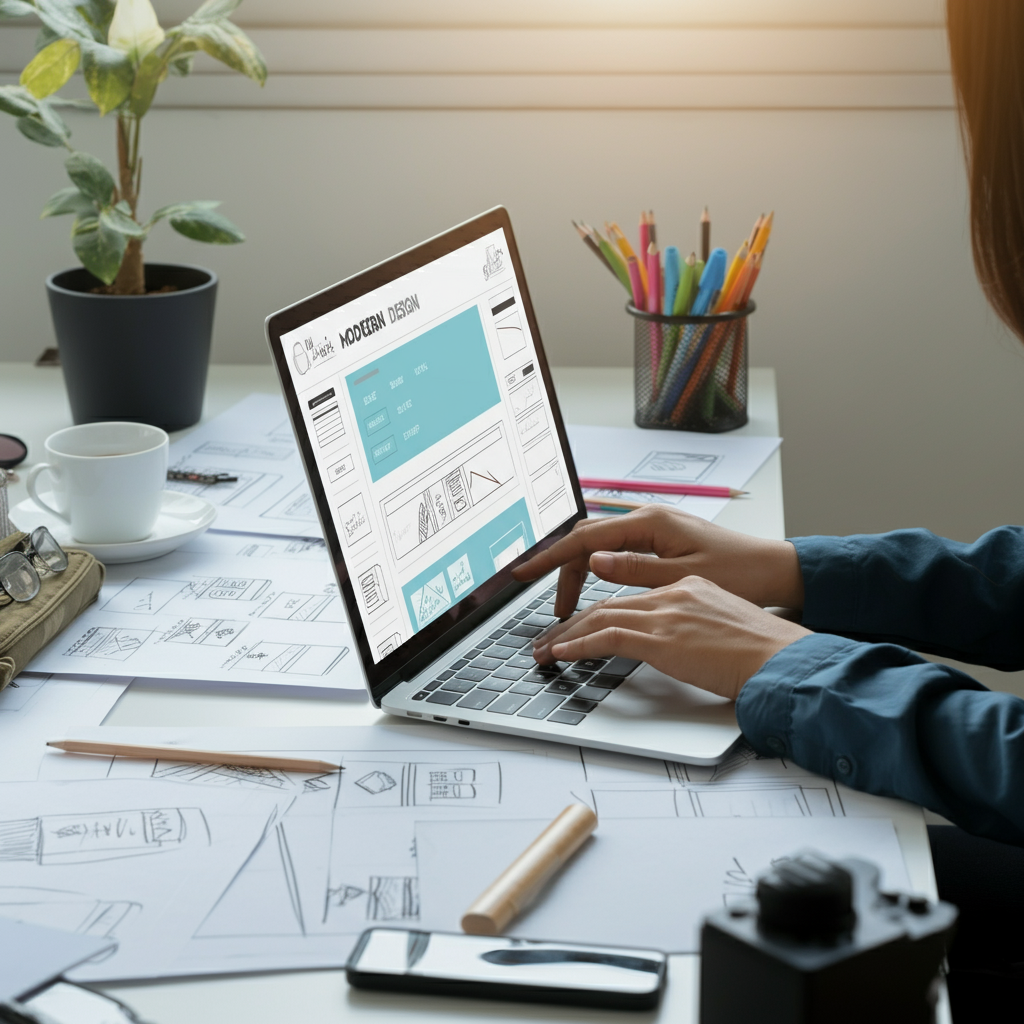
Low Cost Web Design: Tips for Affordable Site Updates
Low cost web design refers to affordable solutions that enable small businesses and startups to manage website updates efficiently. By leveraging flexible platforms and transparent pricing, you can enhance your site regularly in 2026 without sacrificing quality or functionality.
Why Low Cost Web Design Matters for Small Businesses
Understanding the Value of Affordable Updates
Low cost web design empowers small businesses to compete online against larger companies with higher budgets. By prioritising essential features and focusing on user experience, businesses can create effective websites that serve their audience and inspire trust. Affordable digital solutions reduce financial barriers and ensure even bootstrapped organisations can enjoy a modern, responsive website. In today’s digital world, potential customers often judge your business by its website. Therefore, cost-effective updates are vital for maintaining credibility and user engagement as your company evolves and grows. Investing in economical strategies, such as utilising free or low-priced templates, ensures your site remains attractive without draining your resources. A clear focus on affordability doesn’t mean sacrificing quality—it means smart spending for maximum return. For established companies, continuous budget-friendly updates allow adaptation to changing market needs and customer behaviours, positioning you to capitalise on new trends quickly. transparent web design cost guide highlights some prime examples of small firms thriving thanks to value-driven websites.
How can I save money updating my website?
You can save money updating your website by using low cost web design options and DIY tools. Platforms like WordPress or Wix provide templates that are easy to modify, significantly reducing hiring costs. This approach allows you to maintain a fresh and engaging site more affordably.
What is the best low cost web design option in the UK?
The best low cost web design option in the UK is to use a website builder like Squarespace or Shopify. These platforms offer affordable subscription plans and user-friendly interfaces, making it easy for novices to create professional-looking sites. Consequently, small businesses can establish a strong online presence without overspending.
"Opting for low cost web design was the turning point for our local business. We reached more customers and improved our image overnight."
Choosing the Right Platform for Low Cost Web Design
Top Website Builders and CMS Options
Choosing the ideal platform is essential for achieving an affordable website while enabling simple site updates. Website builders such as Wix, Squarespace, and WordPress.com offer beginner-friendly interfaces and reasonably priced plans. WordPress.org remains a leading choice due to its expansive plugin ecosystem and flexibility—perfect for those who want control over costs and features. For e-commerce ventures, Shopify provides scalable, pay-as-you-grow options without substantial upfront fees. When assessing platforms, it is vital to consider not only initial pricing but also long-term expenses such as app/plugin costs, domain renewal, and ongoing support. Many open-source platforms also come with robust support communities, enabling you to troubleshoot issues and learn at no added expense. Furthermore, ensure the builder or CMS supports mobile responsiveness and SEO settings. This ensures your website is discoverable and user-friendly across all devices and search engines. For in-depth reviews and comparisons, refer to real-world advice on budget site design.
How do small businesses keep website costs down?
Small businesses keep website costs down by implementing low cost web design solutions and regular maintenance routines. They often opt for simplistic designs and reliable hosting services that fit their budget, thereby avoiding unnecessary expenses. This strategy helps them stay competitive and increase their digital efficiency.
What are affordable ways to keep my site updated?
Affordable ways to keep your site updated include using low cost web design platforms and scheduling regular content reviews. Tools like Google Analytics can help track performance and identify areas for improvement, maximising your site's impact. This ensures customer engagement while remaining cost-effective.
How to Budget for Low Cost Web Design and Updates
Transparent Pricing and Avoiding Hidden Costs
Budgeting for inexpensive site creation starts with clear, upfront planning and transparent investigation of all potential expenses. Begin by itemising domain registration, hosting, template/themes, plugins, and professional assistance if needed. Many small businesses make the mistake of only considering headline prices, neglecting ongoing costs like maintenance, plugin renewals, and security add-ons. To avoid nasty surprises, always ask your provider or designer for detailed breakdowns, including support and upgrade fees. A highly practical budgeting tactic is to track every expenditure using a simple spreadsheet. Review this regularly so no hidden fees are missed. Consider spreading your budget by choosing annual plans or bundles that offer lower per-month costs. If cash flow fluctuates, some platforms provide monthly pay options that are suitable for startups seeking flexibility. With disciplined management and strategic planning, you can effectively maintain your site without exceeding your budget limit. Case studies from smart web design cost tips for small firms demonstrate how proper budgeting leads to lasting savings and better results.
Which free website builders are good for small businesses?
Good free website builders for small businesses include Wix, Weebly, and WordPress.com. These platforms offer templates and tools that allow users to create appealing sites without upfront costs, perfect for those on a tight budget. Therefore, businesses can establish an online presence without financial strain.
When should I consider switching to a low cost web design?
Consider switching to a low cost web design when your current site is too expensive to maintain or doesn’t meet your business needs. Evaluating the overall performance and expenses allows you to identify more affordable alternatives. Consequently, this can enhance your website's functionality without overspending.
DIY vs Professional Low Cost Web Design
When to Update Yourself and When to Hire Help
Tackling site updates yourself is tempting when aiming for cost-conscious website development, especially for those with technical curiosity or limited funds. DIY solutions like drag-and-drop website builders or premade templates significantly reduce upfront costs. They are ideal for basic updates: text changes, image swaps, or publishing new blog posts. However, technical tasks—like optimising site speed, fixing complex bugs, or custom integrations—often require professional expertise. Seeking help ensures you avoid mistakes that could hurt your online presence or increase costs over time. If your brand identity relies on bespoke features or you lack time to learn new tools, hiring experienced designers is typically a better investment. Balance your approach by learning simple content edits but outsourcing security, backups, and advanced customisation. Many agencies offer modestly priced update packages tailored for small organisations, keeping expenses low yet standards high. For inspiration and support, affordable web design service options offers a directory of vetted professionals and peer advice.
Essential Features for Affordable Site Maintenance
What Small Businesses Really Need
Effective economical web design focuses on essential features that deliver maximum impact for minimal outlay. Key areas to prioritise include easy-to-edit content management, reliable security certificates (SSL), mobile responsiveness, SEO tools, and automatic backups. Avoid costly add-ons that add little value—stick to tools directly supporting your business goals and customer engagement. Minimalist design not only reduces clutter but also speeds up loading, improving both user experience and search rankings. Integrate contact forms and clear calls-to-action for streamlined communication. Ensure accessibility features are present so your site caters to all users. For growing businesses, options such as scalable hosting or simple e-commerce plugins allow expansion without increasing complexity. These essentials help prevent costly problems and support affordable, ongoing updates without compromising on quality.
Tools and Plugins for Low Cost Web Design
Making Website Updates Easy and Affordable
Using the right tools is critical to keep website expenses manageable and effective. WordPress, for example, offers thousands of free or affordable plugins for everything from SEO to e-commerce. Page builders, like Elementor and WPBakery, allow non-coders to update layouts visually. Security plugins, such as Wordfence, provide protection without high subscription charges. For newsletters or contact forms, Mailchimp and Ninja Forms offer generous free plans. Remember to regularly update your plugins and themes to avoid vulnerabilities—many quality tools automate this process, saving time and money. When selecting plugins or modules for other platforms, check ratings and support availability to minimise the risk of technical issues. Review your toolkit quarterly so you only keep what is necessary and up-to-date. Tool reviews and user guides on transparent web design cost guide can make this selection process straightforward.
Case Studies: Successful Low Cost Web Design Updates
Real-World Examples from Small Businesses
Across the UK, hundreds of small businesses are transforming their online image with budget web design solutions. For instance, a Bristol café used a free WordPress template, investing just in professional logo design and basic SEO plugins. Their visitors doubled within three months, and online sales increased with a simple WooCommerce add-on. A local consultant opted for Wix, keeping costs under £100 by using only platform-hosted features and updating content in-house. Both examples relied on strategic planning, prioritising must-have features and reinvesting savings into digital marketing. The key takeaway: regular, cost-effective updates drive business growth and build customer trust over time.
Common Mistakes to Avoid with Low Cost Web Design
How to Prevent Overspending and Downtime
Pursuing affordable site builds does not mean you should cut corners that could risk your reputation. The biggest mistakes are neglecting ongoing security, ignoring mobile optimisation, and choosing free themes or plugins with poor support. Failing to update plug-ins or back up your site regularly can lead to costly downtime. Additionally, avoid overloading your website with unnecessary features, which may slow down performance and drive users away. Set a maintenance schedule and use a checklist so nothing is overlooked. Partner with trusted suppliers and use well-reviewed tools to ensure reliability. Consistency and clarity in your approach prevent spiralling costs and keep your website acting as a valuable asset for your business.
Community Insights: Discussing Low Cost Web Design
Advice and Tips from Real Users
Engaging with communities offers invaluable insights for anyone interested in inexpensive website creation. Forums and social media groups share free resources, troubleshooting help, and peer reviews of platforms and tools. Users regularly discuss techniques to save time and money, such as automating backups or choosing affordable hosting providers. Participating in these discussions allows you to learn from collective experiences, avoid common traps, and discover new, cost-friendly solutions. Don’t hesitate to ask questions—seasoned users are often happy to help newcomers get started with their websites. Monitoring these communities can also alert you to platform updates, emerging threats, and trending design ideas, keeping your website fresh and secure for years to come.
Conclusion: Maximising Value with Low Cost Web Design
Embracing a low cost web design strategy provides large and small organisations alike with the tools to thrive online without breaking the bank. By selecting the right platforms, prioritising essential features, and connecting with the design community, affordable and effective site updates become achievable for everyone. Budget-mindful choices—combined with professional help when necessary—ensure your website both delights users and stands the test of time. Remember, investing wisely in web design is essential for long-term business success and credibility in a competitive digital landscape.
Great guide on Low cost web design: Tips for Affordable Site Updates — Community Feedback
Struggling with website updates
If you're struggling with website updates, low cost web design services can simplify the process. Look for agencies or platforms offering content management systems and affordable support plans, so you can make regular updates without hefty fees or technical headaches.
Unclear website pricing
Unclear website pricing often comes from hidden costs or vague quotes. By choosing low cost web design providers with transparent breakdowns, you will better understand what is included—such as design, updates, and ongoing maintenance—helping you avoid surprise expenses.
In This Article
- Low cost web design gives small businesses access to modern, effective websites without high costs.
- Choose platforms and tools that balance affordability, functionality, and support.
- Transparency in budgeting and regular maintenance prevent costly surprises.
- DIY can save money, but know when to seek expert assistance for best results.
- Focus on must-have features and avoid bloat to maintain performance and security.
- Engage with online communities for valuable tips and peer support.